How to build a home yoga practice that lasts
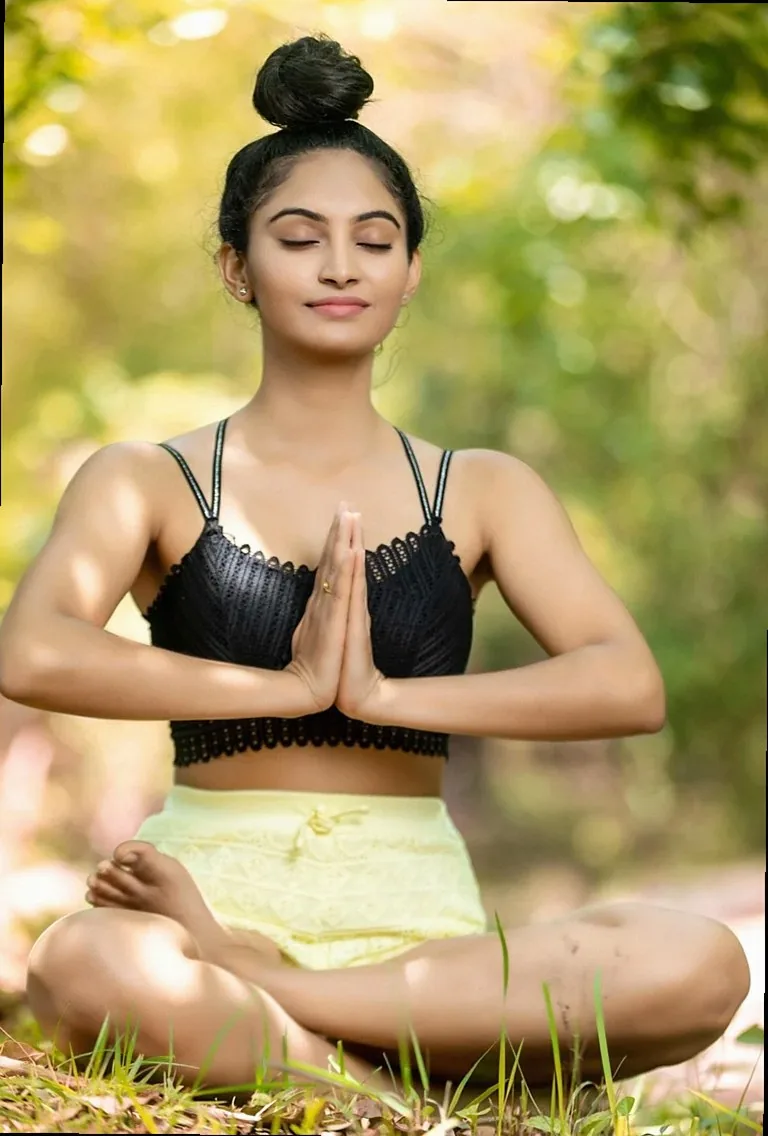
Most people who try to start a home yoga practice quit within the first month. Not because they lack discipline, but because the conditions that make a studio class work, a teacher, a schedule, other people in the room, are all absent at home. Building a practice that holds without those supports takes a different approach.
Start with less space than you think you need
A standard yoga mat is 60cm wide and 173cm long. That is all the floor space you actually need. In Japan, where apartments are compact and tatami rooms are common, this is good news. You do not need a dedicated yoga room. You need a mat-sized patch of floor that you can clear in under two minutes.
The ritual of clearing the space is part of the practice. Mika practiced for two years in a six-tatami room in Kyoto, moving the low table to one side before every session. The act of making space became a signal to the mind that something was about to happen. Do not wait for the perfect room.
Choose three poses and do them every day
The most common mistake in home practice is trying to replicate a full studio class. A studio class works because a teacher is sequencing for a group and filling sixty minutes. At home, sixty minutes of self-directed practice is a lot to ask of yourself, especially at the beginning.
A more durable approach: choose three poses that address what your body needs right now, and do them every day for two weeks. A standing pose, a forward fold, and something supine. Keep it to fifteen minutes. Consistency over duration is the thing that builds a practice.
- Tadasana (mountain pose) for grounding and posture awareness
- Uttanasana (standing forward fold) for the hamstrings and lower back
- Supta Baddha Konasana (reclined bound angle) for the hips and nervous system
Props are not a shortcut, they are the practice
In Japan, there is sometimes a cultural hesitation around using props, as if needing a block means you are not doing the pose properly. This is exactly backwards. A block under the hand in triangle pose means you can actually feel the rotation in the torso rather than collapsing to reach the floor. A strap in a seated forward fold means you can maintain a long spine rather than rounding to reach your feet.
The three props worth owning before anything else are a block, a strap, and a bolster or firm cushion. The cork blocks and cotton strap in the essentials shop are the ones Mika uses in her own practice. Start there and add only what the practice asks for.
What to do when you do not want to practice
Every consistent practitioner has a version of this: the day when the mat stays rolled up. The question is not how to eliminate those days but how to make them less frequent. Mika's approach is a five-minute rule. Unroll the mat, do five minutes of whatever feels possible, and then decide whether to continue. Most of the time, continuing is easier than starting.
The autumn and winter months in Japan are when this matters most. The mornings are cold, the futon is warm, and the gap between intention and action widens. The seasonal practice guides on the site address this directly, with shorter sequences designed for cold mornings and low-energy days.
A home practice does not have to look like a studio class to be real. The question worth sitting with is: what would you actually do, on a Tuesday morning, when nothing is forcing you to?